
Host plants
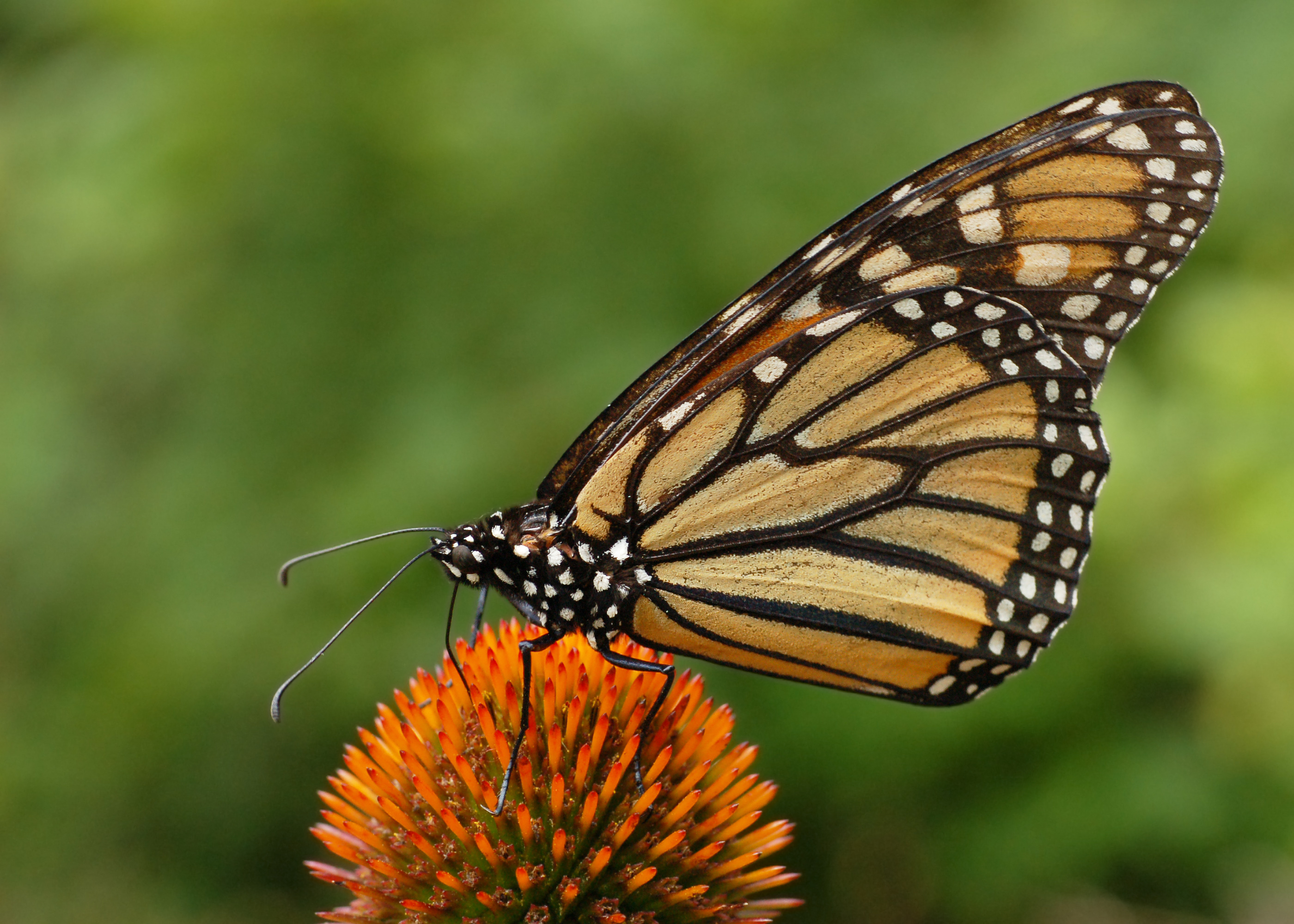
Milkweed for Monarchs
Why swamp and common milkweed anchor a monarch garden, and how to site them so the caterpillars and the gardener both stay happy.
Indigenous plants did the work of feeding pollinators long before ornamental borders arrived. These pages collect plant lists, layout principles, and season-by-season notes for gardeners working with native species across Canadian growing zones.
Field guides
Why swamp and common milkweed anchor a monarch garden, and how to site them so the caterpillars and the gardener both stay happy.

Pairing spring, summer, and autumn bloomers so something is always in flower from the first warm weeks to the last asters.

Most native bees nest in bare ground or hollow stems. Small structural choices in a garden decide whether they stay.
Why native
Many native Canadian bees and butterflies have narrow relationships with the plants they evolved alongside. Monarch larvae feed only on milkweed. Several mining bees collect pollen from a single plant genus. A border built mostly from exotic ornamentals can look full of flowers and still offer little to these specialists.
The guides here lean on regionally indigenous species rather than cultivars bred for show. The aim is a garden that looks intentional to a person and legible to an insect.
Quick reference
| Plant | Bloom window | Supports |
|---|---|---|
| Wild bergamot (Monarda fistulosa) | Mid to late summer | Bumble bees, hawk moths |
| Swamp milkweed (Asclepias incarnata) | Summer | Monarch larvae, many bees |
| Black-eyed Susan (Rudbeckia hirta) | Summer into early fall | Bees, small butterflies |
| New England aster (Symphyotrichum novae-angliae) | Late summer to fall | Late-season bees, migrating monarchs |
Bloom windows are general; local timing shifts with latitude and season.
Contact
Questions about a species mentioned here, or a correction to a planting detail? Use the form to send a message. It runs entirely in your browser for this static reference and does not transmit data.
Editorial inquiries can also reach the desk through the address listed on the About page.
Page updated 2026-05-20.